Saturday, July 5, 2014
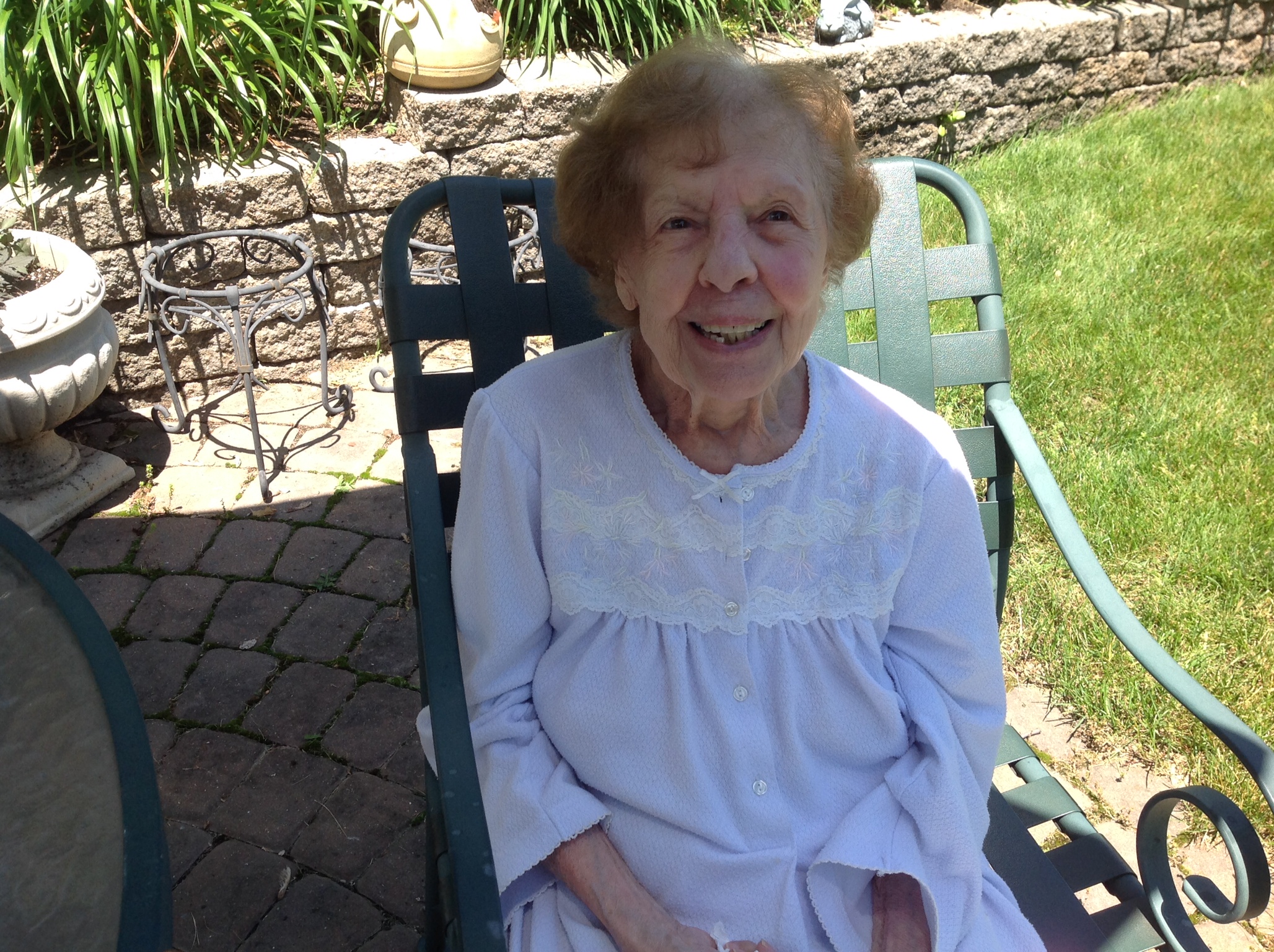
Yesterday mom was really out of it, and I missed her. We went over who in her family was still alive, where they lived, where she had lived, who lives in her house now, where her furniture is, where her clothing is, where Rob is, where her brother lives, where her son lives, where her sister lives. And at the end of it all, she asked if her living brother were still alive and where he lives. She asked if her sister were alive and where she lives. She asked about her brother John and where he lives; however, John died 35 years ago. She asked the same questions over and over again. There was no remembering, no teaching her, no progress. It was the end of a tough day. I await today. Where will she be and what will she remember. She knows I am her daughter or did last night. But she doesn’t remember seeing her son only 2 weeks ago. She doesn’t remember his visiting us several times since she moved here. It must be lonely and frightening to feel that family is so far out of touch. It must be lonely and frightening not to know where they live or where they are or when they died or if they died.
Dementia is the ultimate isolation. How I wish I could bring her some peace. But peace is not a part of this horrible condition. She always has too many questions and never any answers. You control nothing, not where you live or what you will wear. You can’t control your bowels. You can’t get a glass of water on your own. You can’t decide what to eat or when to eat. You are constantly at the beck and call of another—almost like a child, except that a child trusts. An elderly demented person lives in continued agitation and fear. Who will come? Who will help? Even getting up in the morning is a problem. She calls anxiously: Sandy, as if for help. Even deciding where to go for breakfast or to watch TV is an unknown: Where do I go? Where should I go? What should I do? Nothing is known or remembered day after day after day. Your life is a blank, a terrifying blank. Somewhere inside that plaque-filled brain are answers, but they surface too infrequently. When they do surface, they soon become submerged into that muddle of a memory. Part of the anxiety might come from the fear of losing the memory—like a good friend. This part of you dies over and over again. There is no respite from loss.
This morning’s conversation:
Where do I go for breakfast? Downstairs?
There is no other downstairs, Mom. We are downstairs.
How do I get down there?
It’s right here, mom. In the kitchen. (It’s where she has had breakfast every day for the past year.)
Oh.
Rob, where is your brother now? (She remembers his brother!)
He’s in Cooperstown, NY.
Oh. Is he married? (Another question she asks interminably)
Yes. He is.
Does he have any children? (We had been over this several times.)
He has five children.
Where did they go out to eat?
Who?
Your brother.
When?
Yesterday (Mom remembers that two days ago Rob, his brother, and I went out to dinner, which is quite a feat! She has no concept of time, but her brain retains random bits of information that were processed recently.)
Valentino barks. Mom laughs. He doesn’t listen to you.
Yes he does, mom.
Rob your brother was here yesterday, right?
No, he was here the day before.
Oh. That cat is still up there! (That would be the cat in the ceiling fan). Rob, the white dog just sleeps all day?
No. She doesn’t.
Did they take the dogs out? (She remembers that Betty and I take the dogs out every morning.)
Yes. This morning.
As I said, bits and pieces of memory are still lodged in her brain, haphazardly to be sure. No rhyme, no reason for them to emerge as they do or when they do.
 thecaregiversdiary